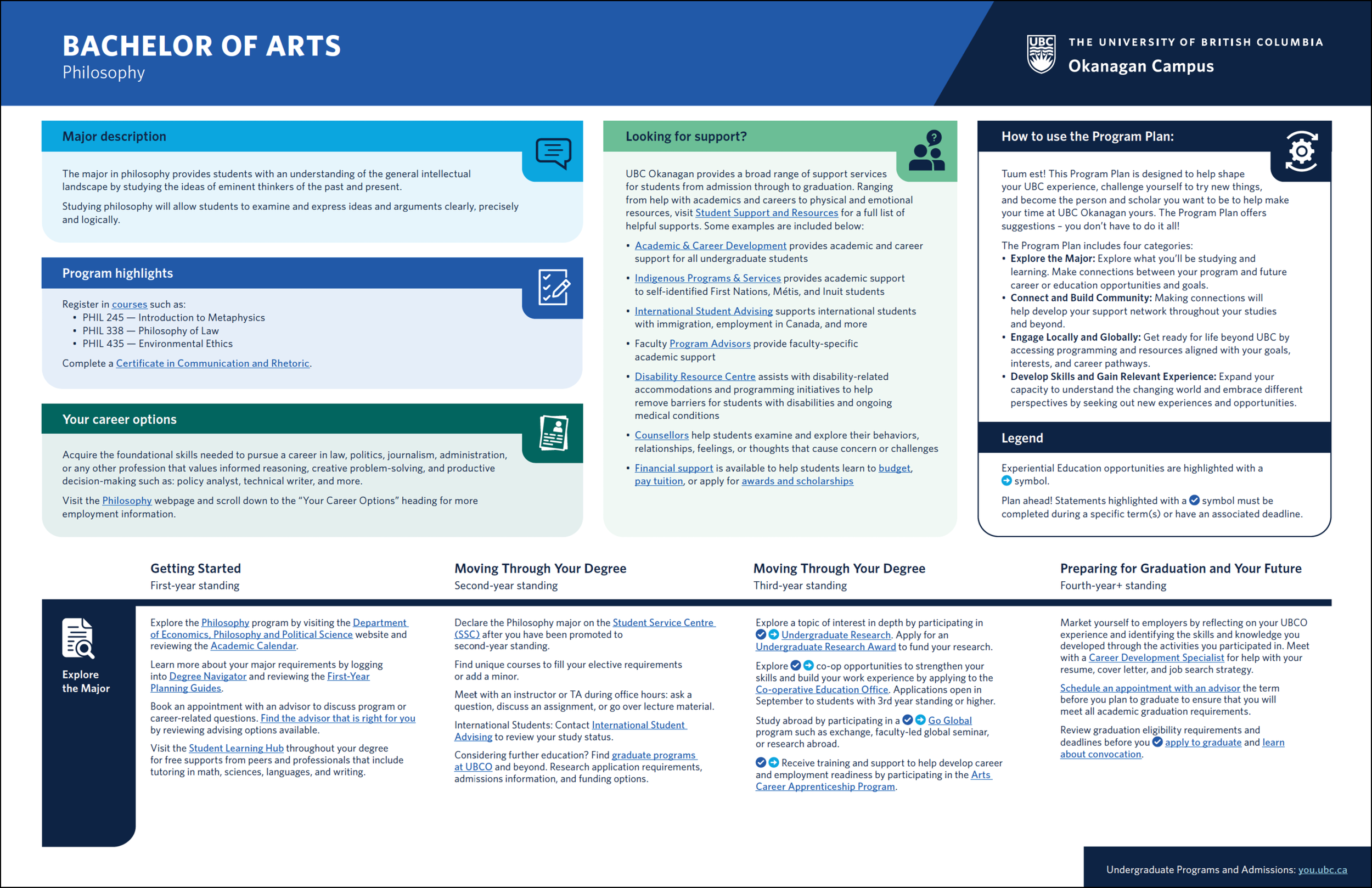
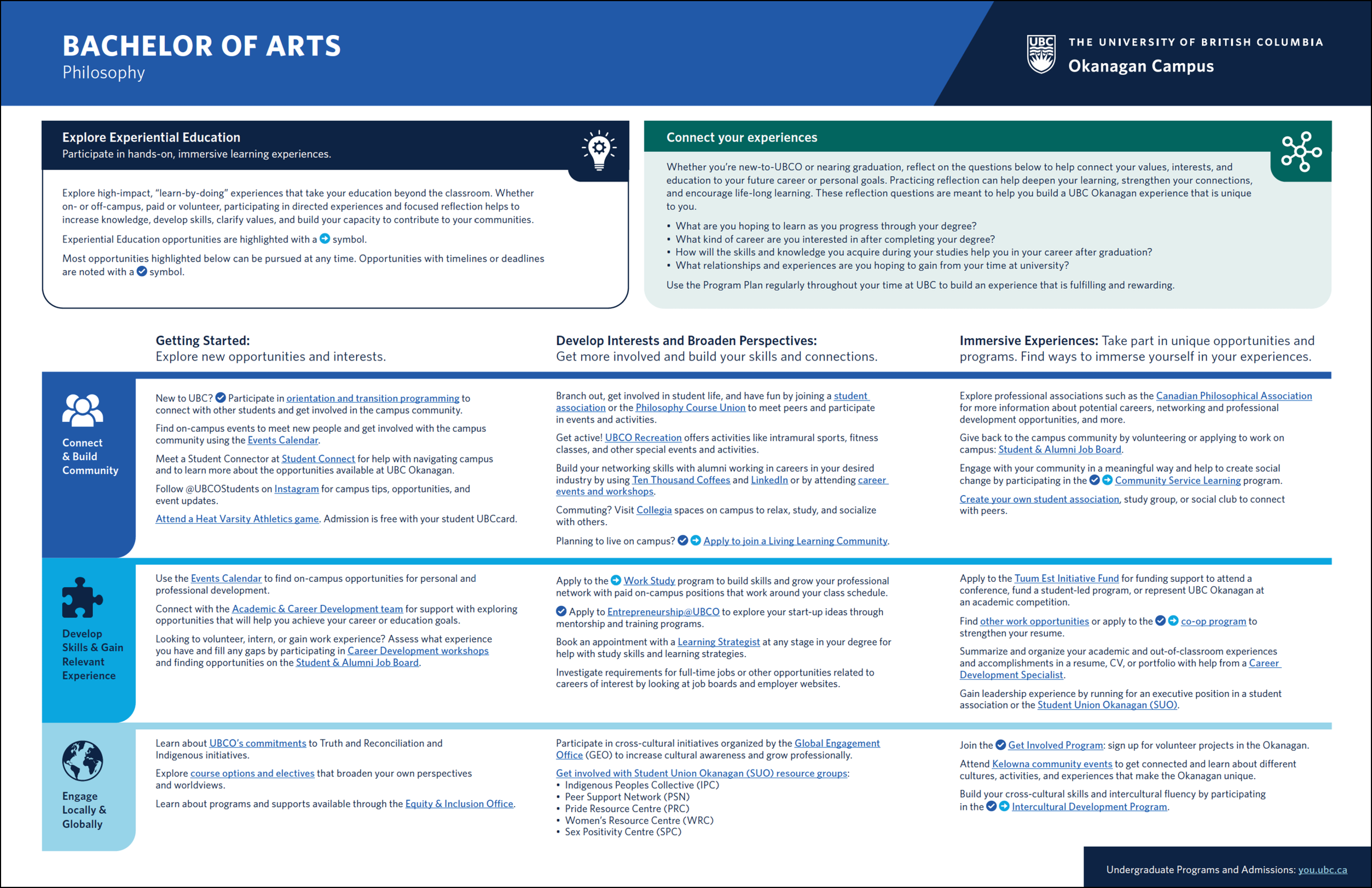
Program Plans

Client: The University of British Columbia’s Okanagan campus, Strategic Initiatives, Student Communications
Target Audience: Students at all stages of their academic career, Academic & Career Advisors, Faculty, and Student Recruitment.
Design Deliverables: Program-specific digital PDFs. 53 Program Plans, one for each academic program offered at UBC Okanagan.
Design Criteria: UBC brand colours with two or three additional colours. Do not use images or icons that implies the student journey is linear. If photos are used, they must be generic. No individual students in photos. Ensure representation, diversity, and group settings of five or more students.
Design Tools: Adobe Illustrator, Adobe InDesign, Adobe Acrobat, and Foxit PDF reader.
Overview
Program Plans were designed to help students navigate their UBC Okanagan experience. Whether they are a first-year student or preparing to graduate, Program Plans can help them explore all areas of their degree. From academic endeavours to extracurricular activities, career explorations or study abroad sessions, students can find out what opportunities are available to enhance their university experience.
Goals
Simplify information and provide a concise and consistent tool that students can reference to build a personalized UBCO experience.
Provide a tool for students to find the information they want and need.
Amplify the type of information accessible to students.
Challenges
Design a template for Program Plans that can be updated regularly.
Maintain consistency across all documents.
All Program Plans must be fully accessible, including screen reader compatible.
A complicated content and proofing process. There are many stakeholders providing content, feedback, and recommendations.
The project timeline is short and during the busiest months of the year. The entire design team needs to be engaged in the execution to meet deadline expectations.
Concept Development
Step one: Research and market assessment. Evaluate how other universities are communicating the same type of information.
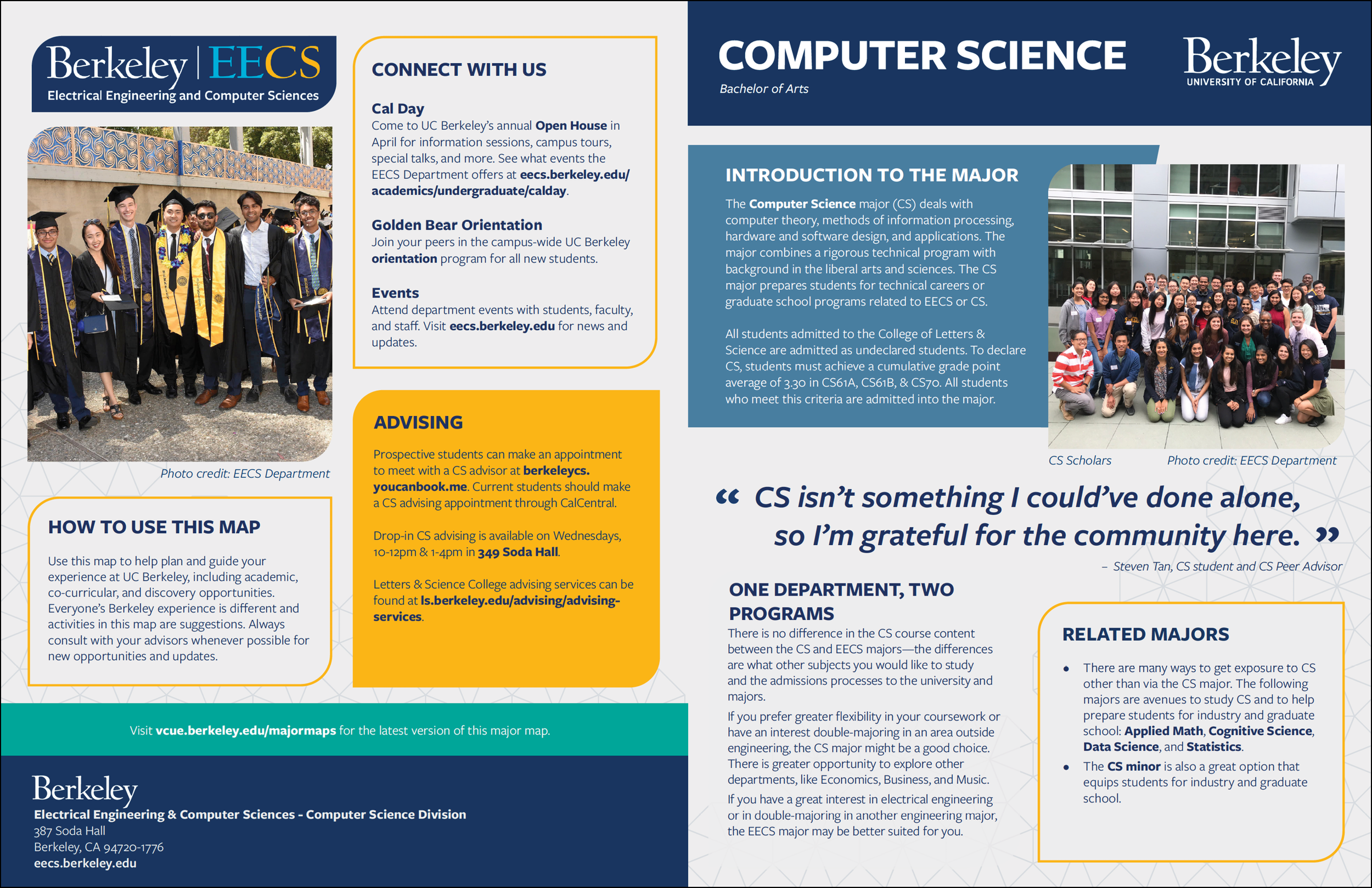
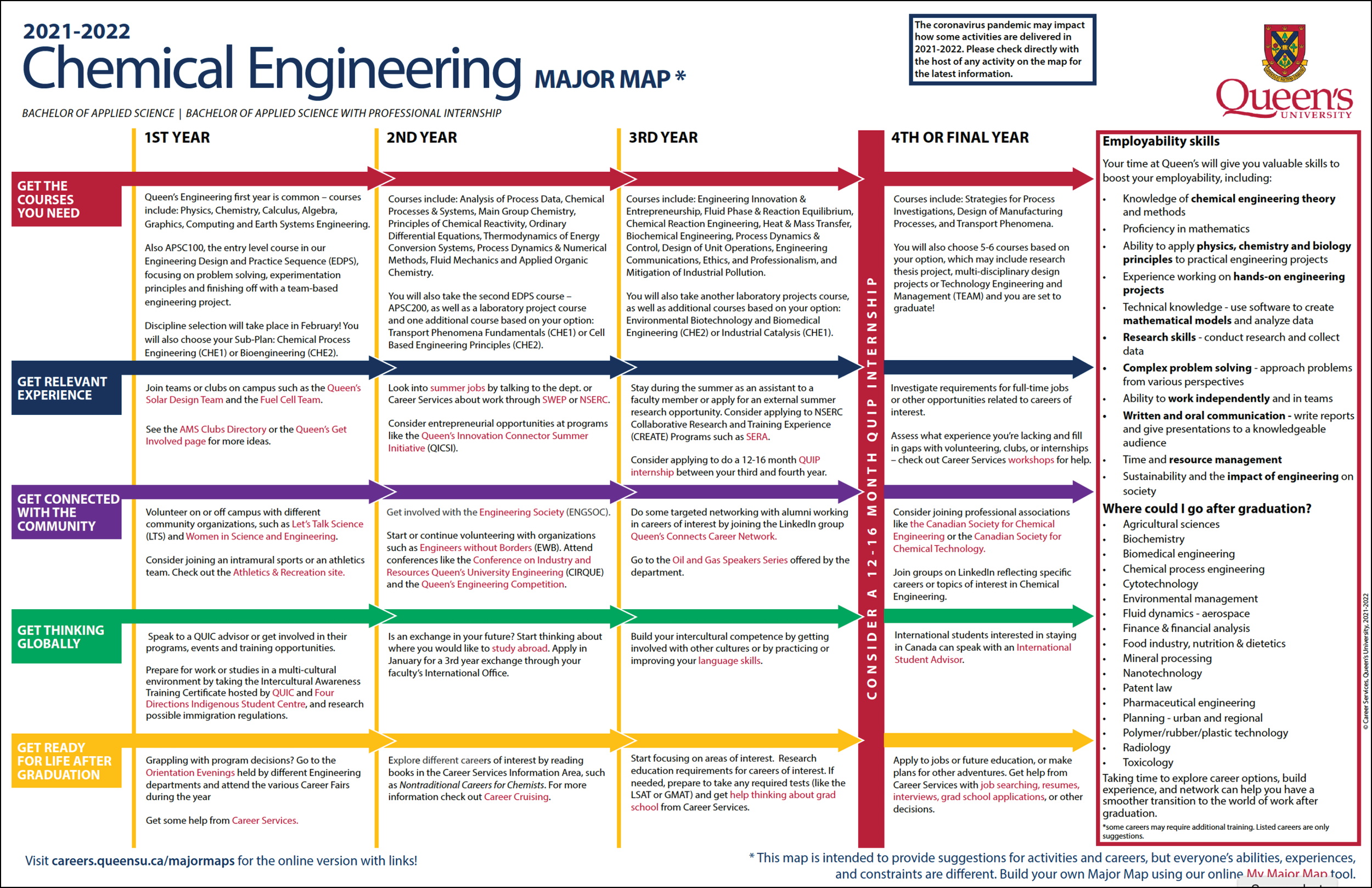
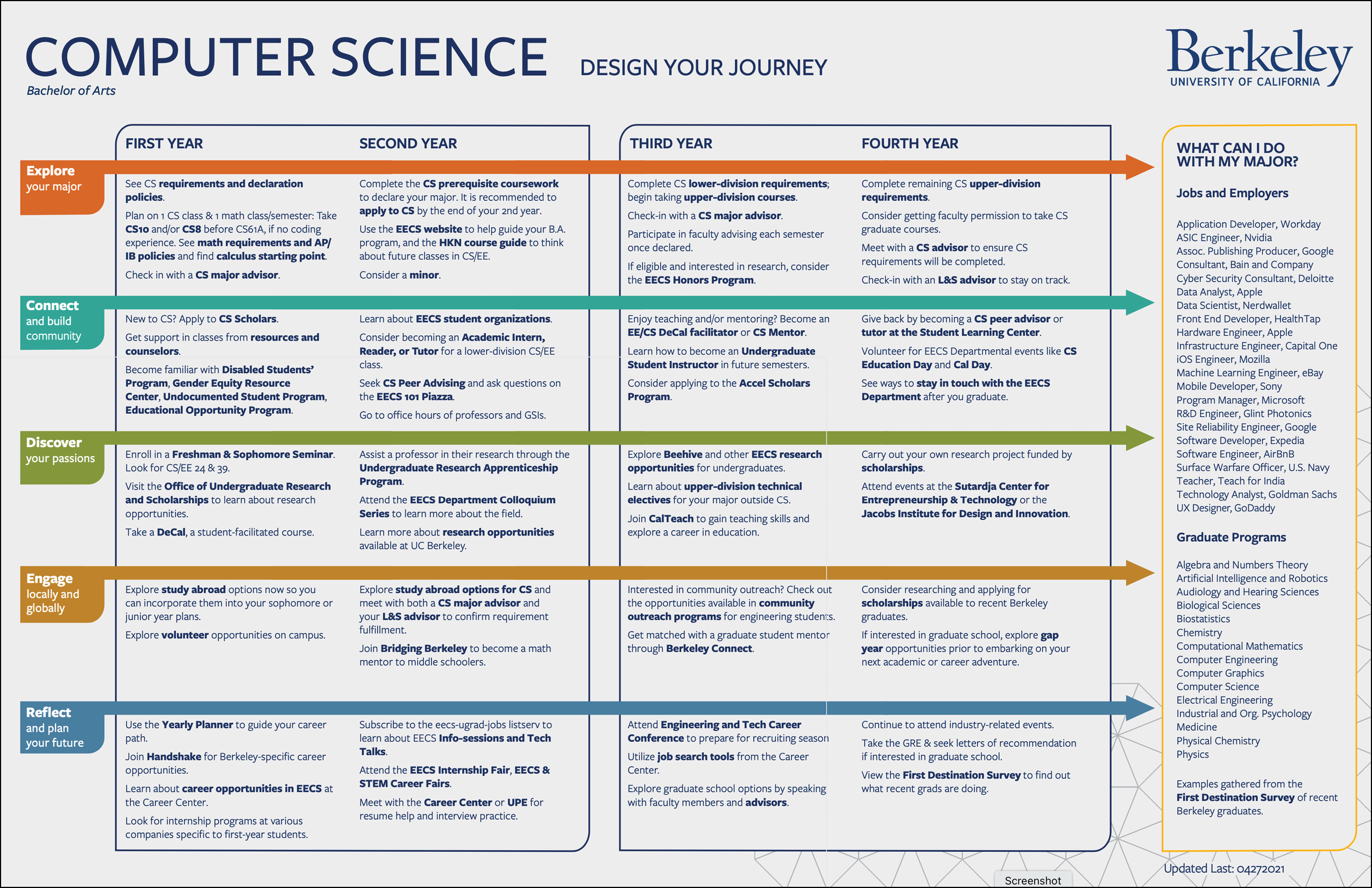
Step two: Develop a template as a foundation for 53 Program Plans (one for each academic program offered at UBC Okanagan). This step involved five rounds of proofs, with multiple layout options included in each round. Below is a selection of proofs to show the design progression based on feedback from students, staff and faculty.
(images linked to the full document)
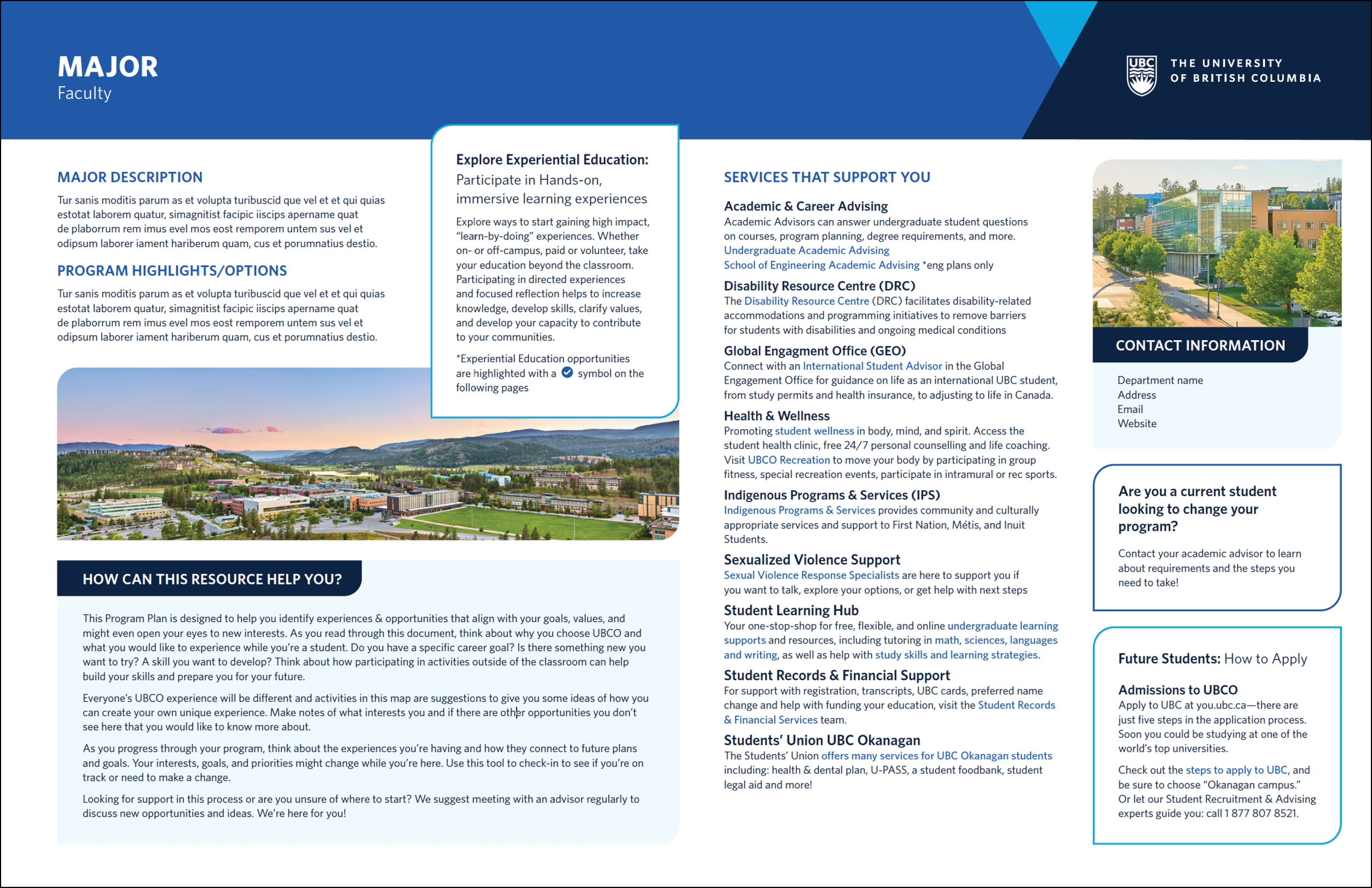
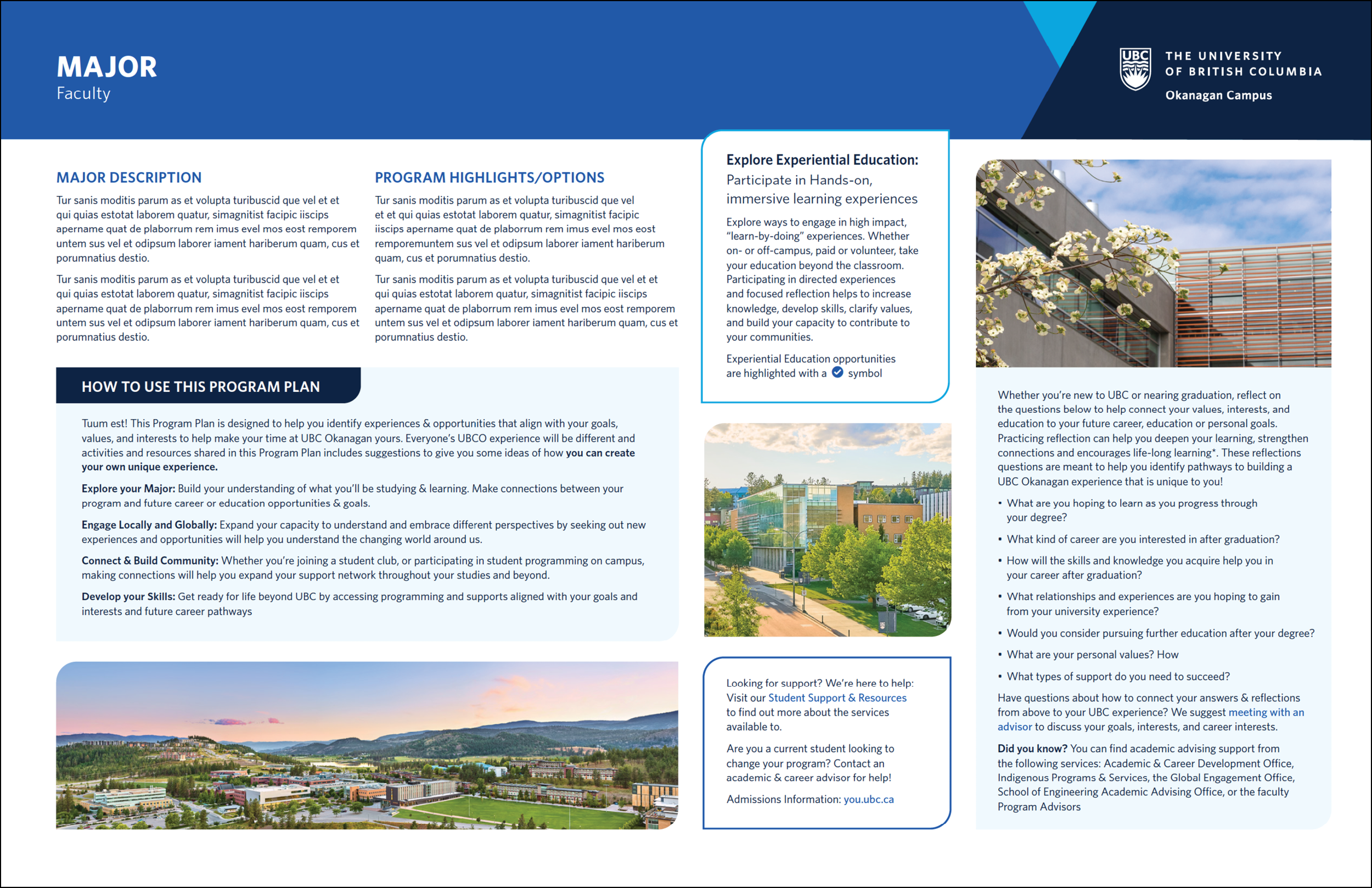
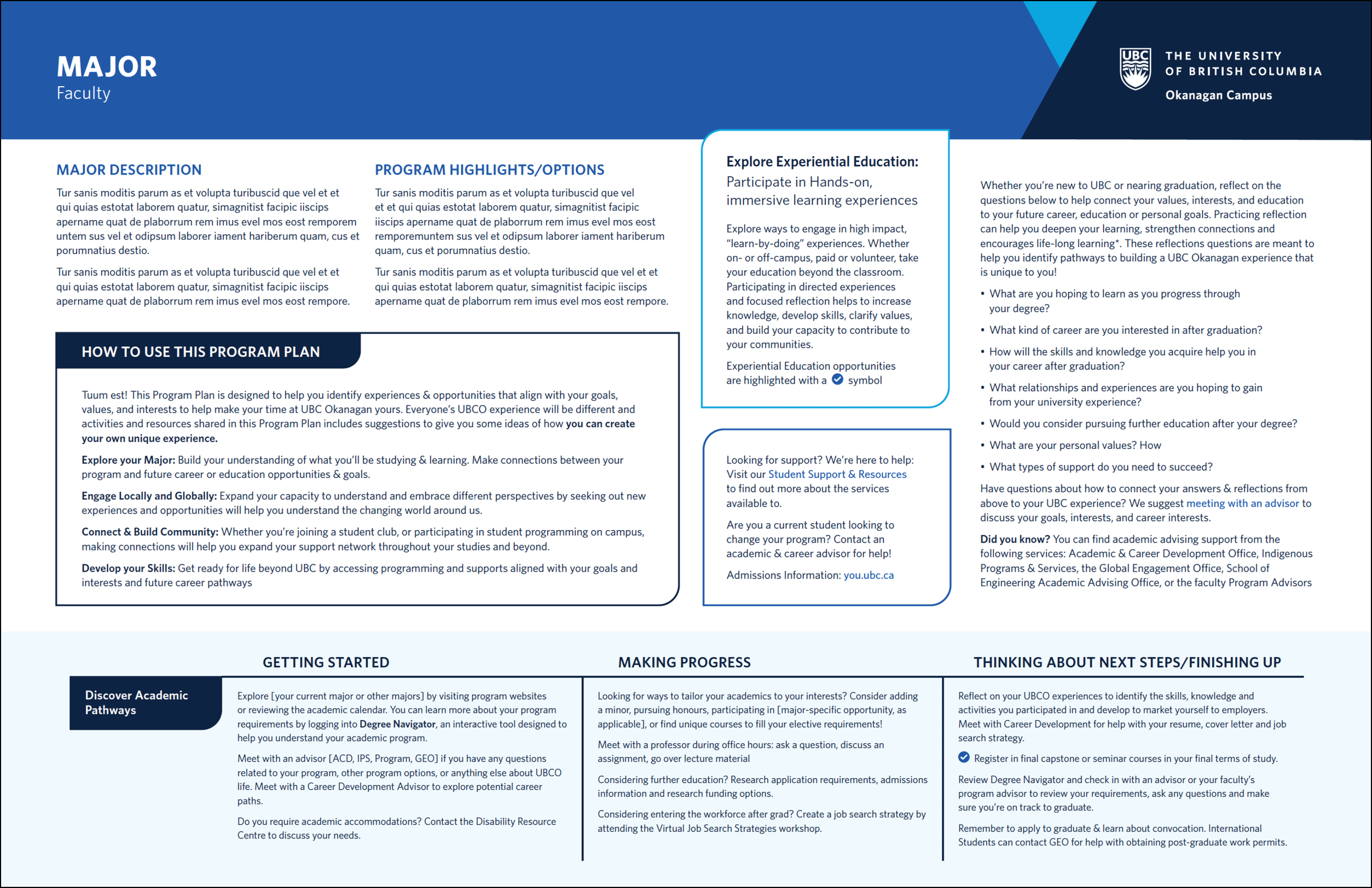
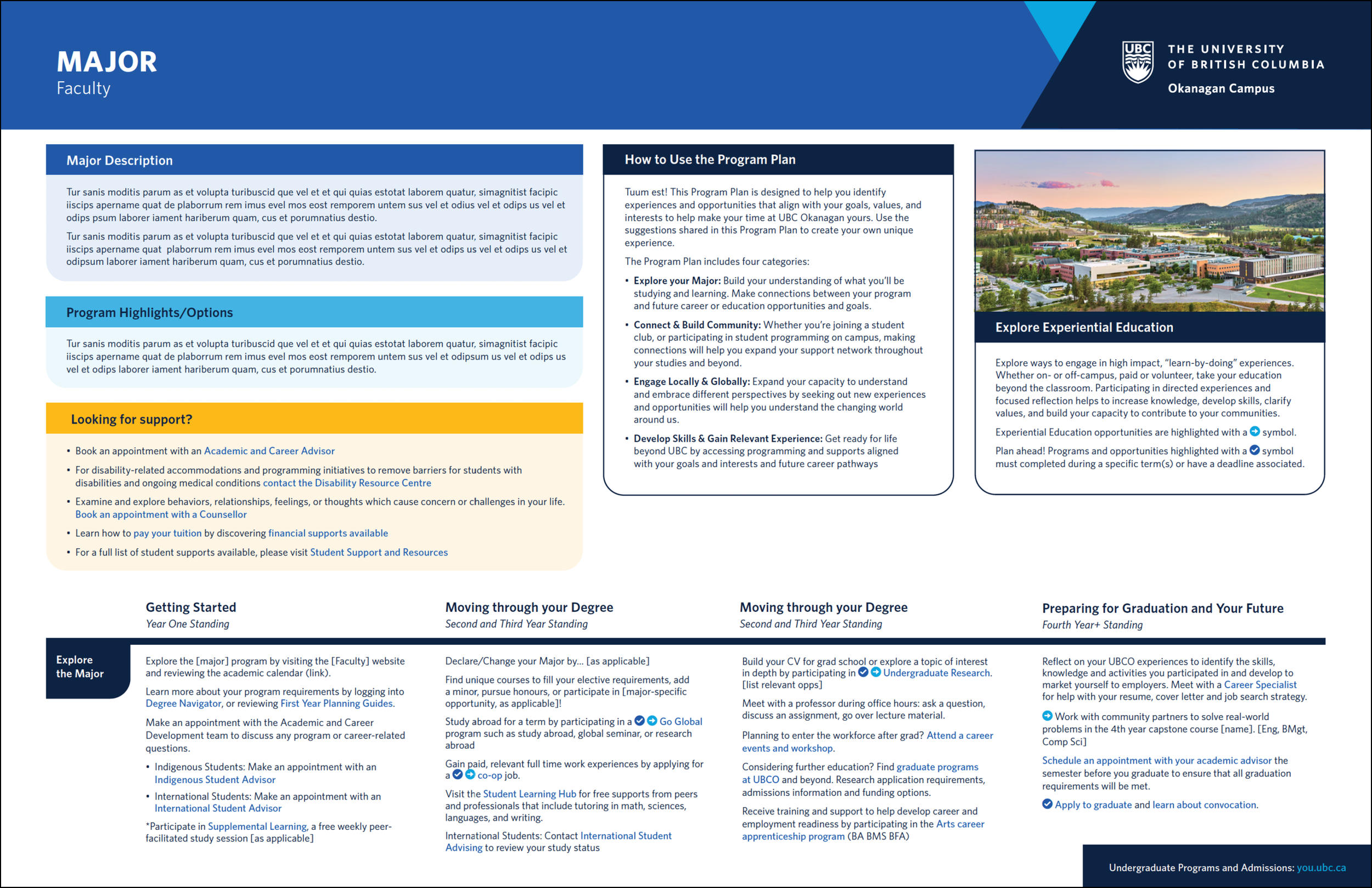
Step three: Student focus groups influenced layout and content changes. Feedback included:
Linear tables are preferred. The non-linear tables are difficult to follow and students don’t understand where to look or what to read first. Content adjustments were incorporated to define what information is relevant at each stage of the student journey.
Do not include photos. Add more icons/imagery to represent content sections.
Reduce header sizes. Designer recommendation to change headers to title case, due to accessibility issues when using all capitals.
Students prefer monochromatic colour palettes. Client would like to include one or two other colours outside the UBC brand colour palette as highlights (green or purple).
The content was reduced and refined many time throughout the process to ensure relevancy for students.
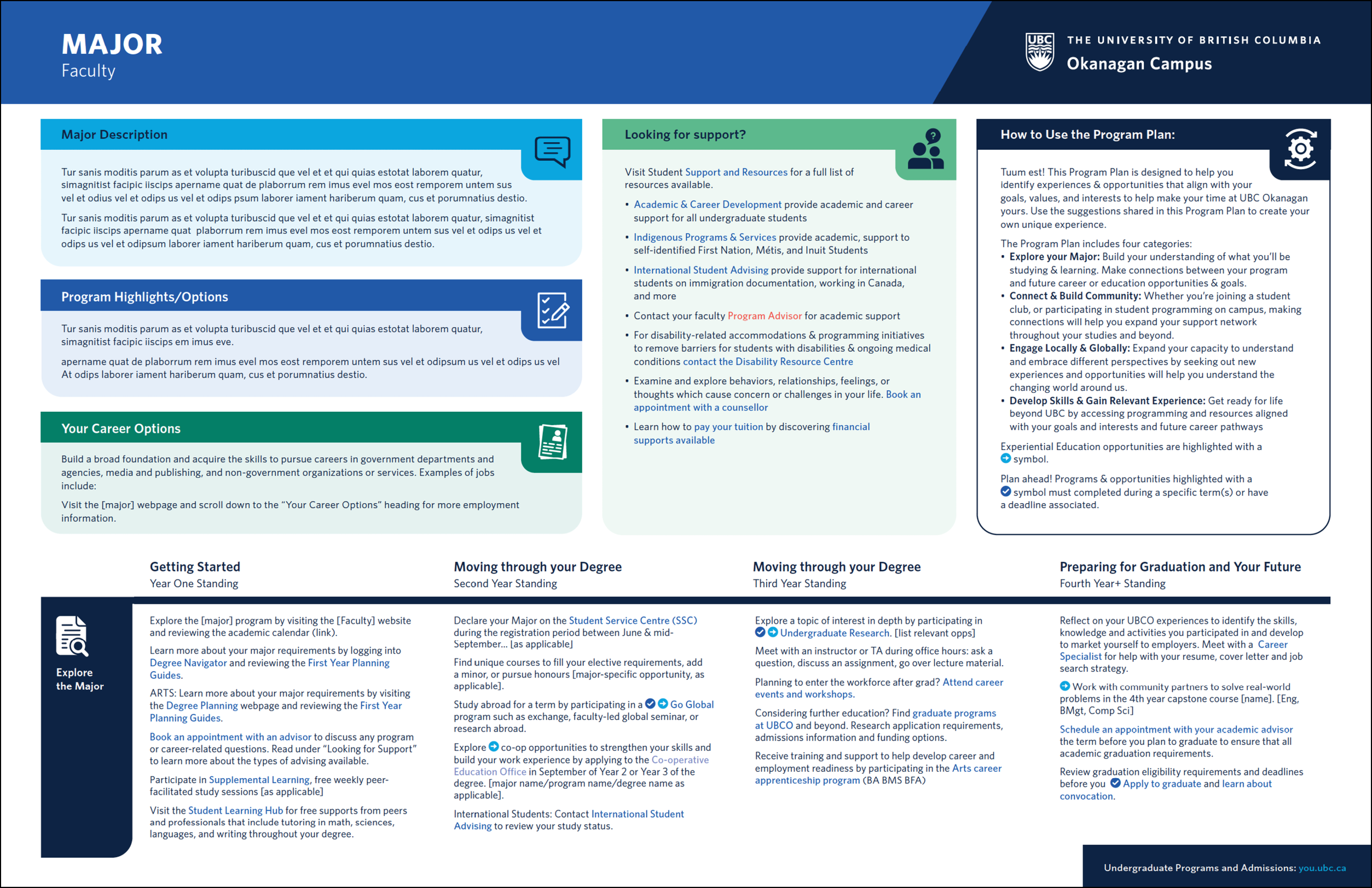
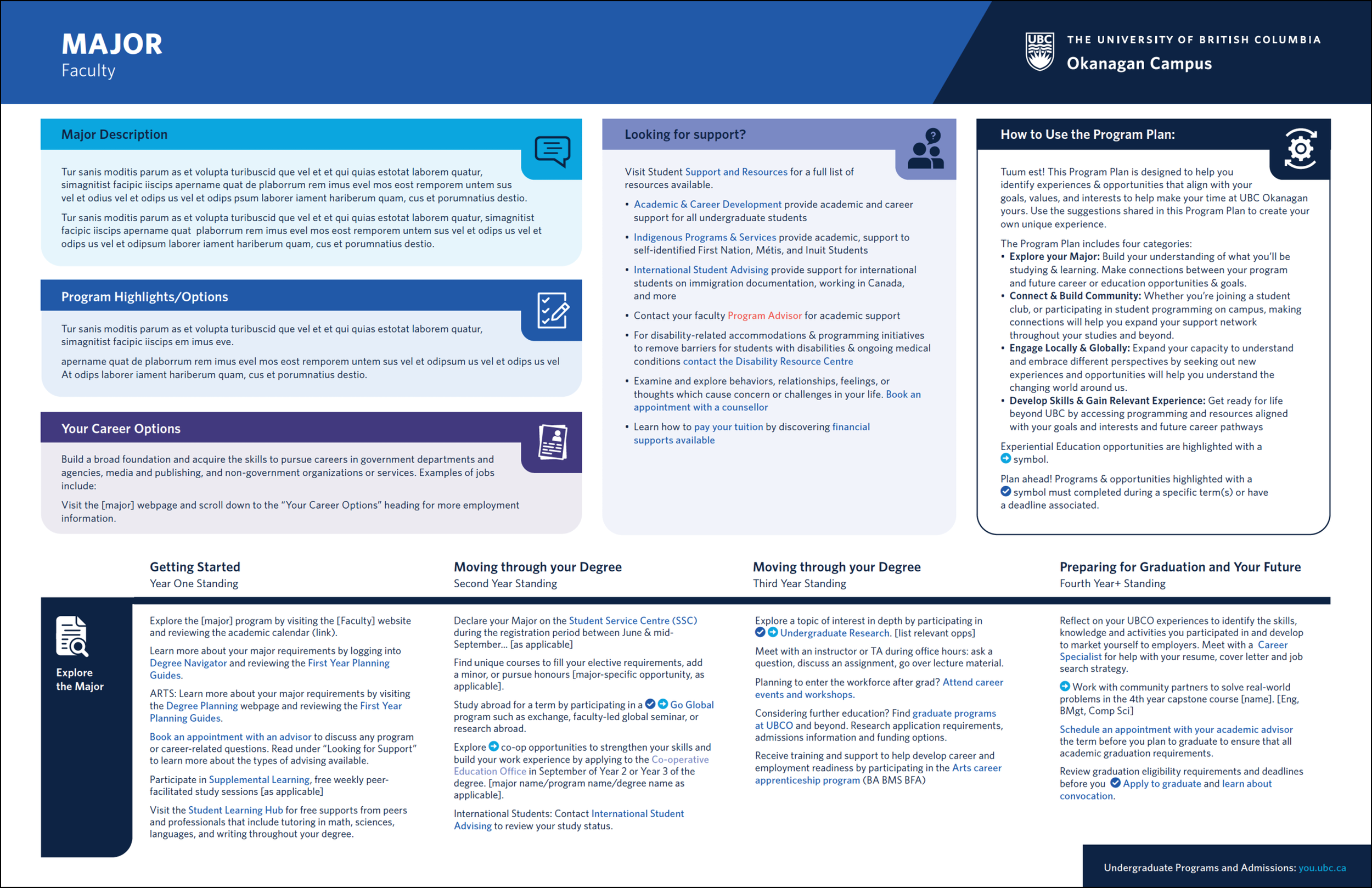
Step four: The biggest design-related takeaway from the student feedback sessions was including icons as a way to easily navigate the document at first glance. Icons were designed in alignment with content categories and intended focus points.













Step five: Client, staff, and faculty design approvals. The green version from the last round of proofs was approved to move forward as a template for Program Plans.
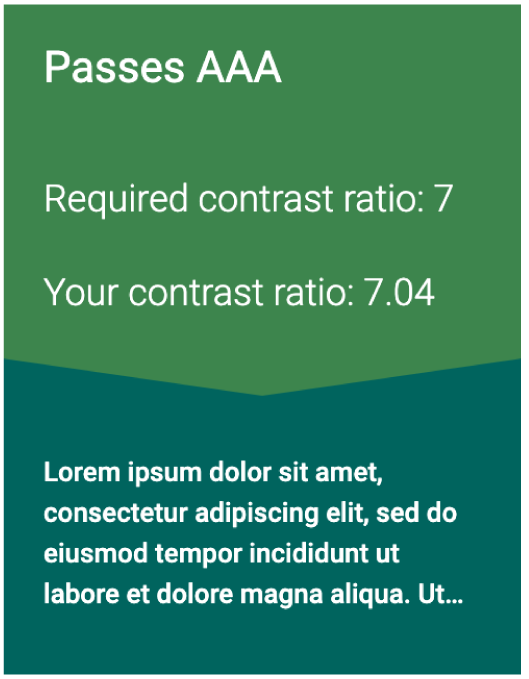
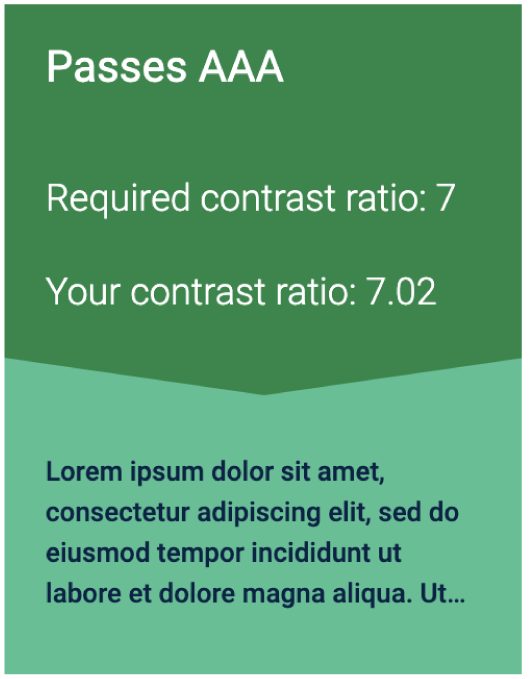
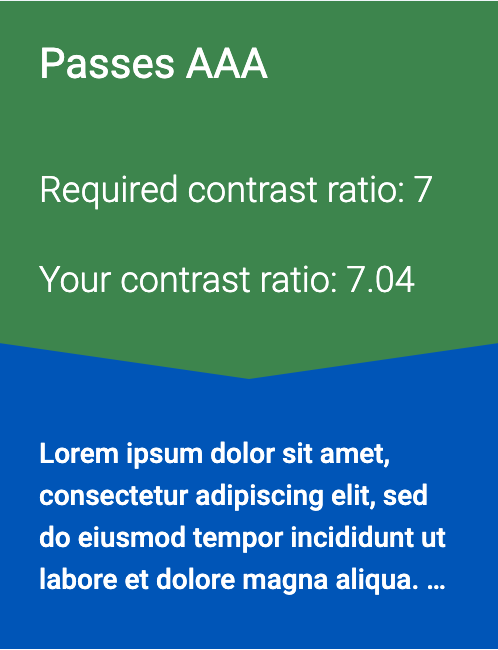
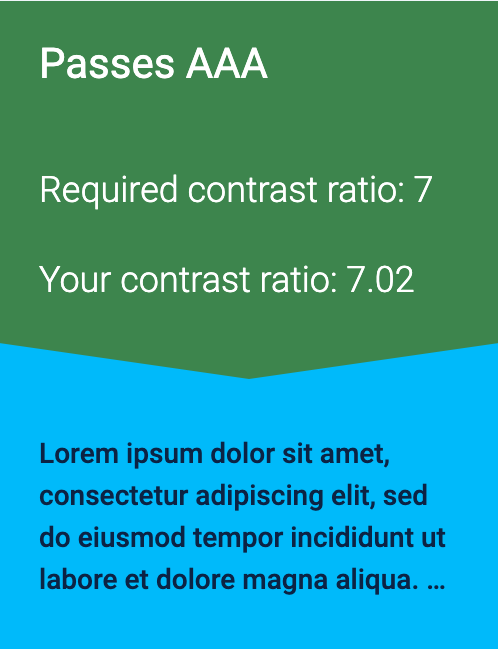
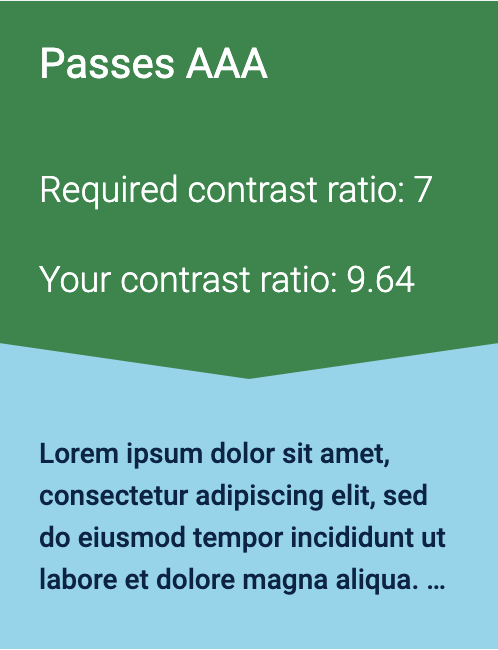
Step six: Accessibility check. Ensure all colours, contrast, text and icon overlays meet accessibility standards. Made minor adjustments to the green tones in order to pass the Web Content Accessibility Guidelines (WCAG) 2 Level AAA.
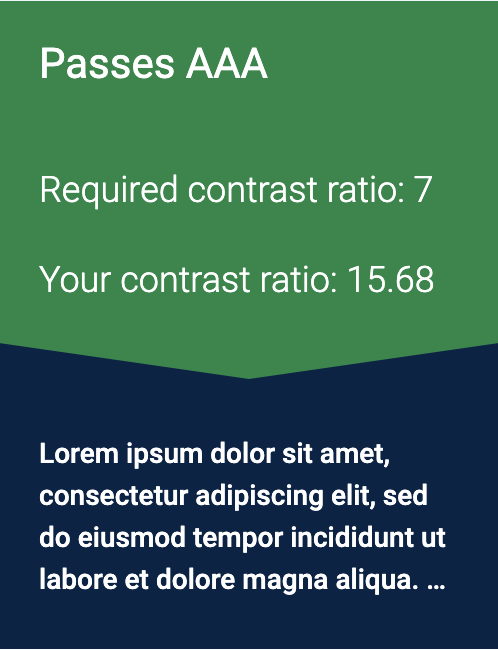
Step seven: Screen reader accessibility. Research, learn, test, and create a screen reader compatible digital PDF template. All digital documents include tags, character and paragraph styles in alignment with HTML tags, a file naming convention, logical reading order definition, alt tags on icons/logos/images, and in-line graphics with screen reader capabilities.
Final Execution
Managed the project coordination and design execution for 53 Program Plans with the University Relations design team (four designers, including myself). To keep milestones and project deadlines on track, a work back plan was created and shared with the team. A step-by-step guide was also developed to ensure content and layout adjustments did not affect InDesign accessibility settings and styles.
(images linked to the full document)